With thanks to Harlequin Australia and NetGalley for giving me access to an ARC of this novel, due out August 2020.
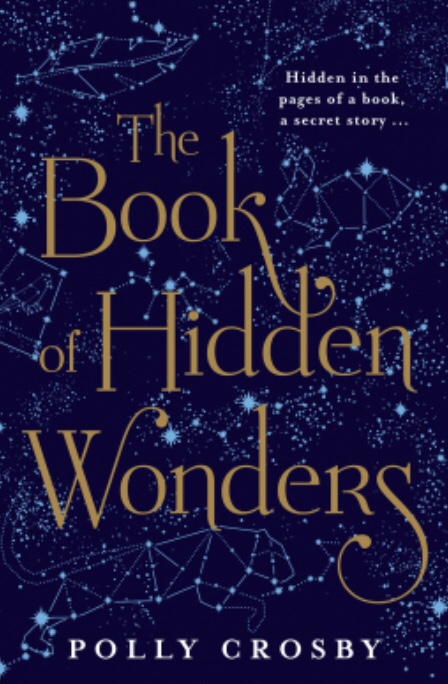
I wanted to love this book, and in some ways I do. I was attracted immediately to the cover and title. The blurb told me that young Romilly lives with her cat and her father, who (it is clear even from this short description) is developing dementia. He writes and illustrates his daughter into some books, along with a treasure hunt, clues for her to discover the truth about something. I didn’t expect a book with no sadness or darkness whatsoever, with it already clear Dad is dementing, and let’s face it, all families have at least one skeleton in the closet. However, the general feel I got from the cover, name and blurb was that this would wind up a feel-good novel.
As I started reading the first chapter or so, I was entranced by Polly Crosby’s beautiful prose. I felt I was correct – this book was going to be amazing. As I kept reading, and indeed kept enjoying the lovely writing, I quickly developed a sense of impending doom, and unfortunately this book, whilst well written, has not left me feeling good at all. To be fair, not all books need to leave us feeling good. I am not unhappy that I read it, although I would have appreciated more warning about the darkness of some of the storyline. Reading other reviews since finishing the book, I realise that it was initially intended to call this book “The Illustrated Child” and I’m disappointed that was changed, as I feel it would have been more representative.
There are two major reveals in this plot, and I guessed at both of them well ahead of their exposition. This was not a bad thing, it prepared me better for what was coming. I did feel that the resolution of plot complexities was too fast and too simple.
Would I recommend this book? To the right person at the right time, yes. It’s not a light read for your beach-side holiday.
PLEASE NOTE, the remainder of this review contains PLOT SPOILERS. Read on at your own peril.
While it’s immediately obvious that this book will deal with dementia, there is no hint that it deals with child death (not a great subject matter when you’re reading whilst breastfeeding), child neglect, and significant mental health issues including self harm, a suicide attempt, dissociative identity/hallucination. As noted above, I did realise ahead of the reveals that we were dealing with death of a child, and what was hallucinatory, which softened the impact of the subject matter somewhat.
It does end, at least, on a hopeful note. Romilly has realised there has been love it her life, has realised she needs help and has reached out for it.
 A Wigwam for a Goose's Bridle
Leave a comment